


What to pack when going for a gorilla safari in Uganda
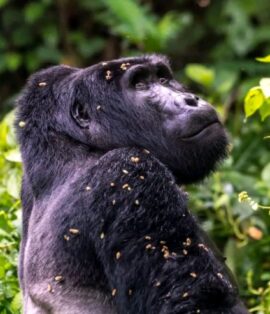
A gorilla safari in Uganda is one of the most awe-inspiring wildlife experiences on Earth. Whether you’re trekking through the thick jungles of Bwindi Impenetrable Forest or the scenic slopes of Mgahinga Gorilla National Park, preparation is key. The journey to see mountain gorillas in their natural habitat is physically demanding and takes you through dense forests, steep trails, and often unpredictable weather. That’s why packing the right gear is essential—not just for your safety and comfort, but also to enhance the overall experience.
Essential Travel Documents
Before diving into what to wear or carry, there are a few critical documents every traveler must have. First and foremost is the gorilla trekking permit—this is mandatory and must be secured in advance due to limited daily slots. Equally important are your passport and Ugandan visa documents. It’s also advisable to carry travel insurance that specifically covers trekking activities, as well as a Yellow Fever vaccination certificate, which is required for entry into Uganda.
Clothing: Dress for the Jungle
Trekking to see gorillas involves hiking through thick vegetation, muddy trails, and sometimes light rainfall. It’s essential to dress in layers and choose clothing that’s protective, breathable, and quick-drying. Long-sleeved shirts and long pants are recommended to shield your skin from stinging nettles, thorny bushes, and insects. A waterproof jacket or poncho is a must, as showers are common in the rainforest, while a light fleece or sweater will come in handy during the chilly early morning hours.
To protect yourself from sun exposure, pack a wide-brim hat or cap, and for added protection against insects and dirt, consider wearing gaiters or long socks that allow you to tuck your pants in. One helpful tip is to stick to neutral earth-tone colors like green, brown, or beige. These blend better with the natural environment and help avoid startling the wildlife. Bright colors and camouflage clothing should be avoided—camouflage, in particular, is reserved for military use in Uganda and may cause unnecessary complications.
Footwear: Comfort is Key
Given the challenging terrain, your choice of footwear can make or break the experience. A good pair of waterproof hiking boots with strong ankle support is essential for navigating slippery and uneven ground. You’ll also want to pack a pair of comfortable sandals or walking shoes to use when relaxing at your lodge. To prevent blisters and keep your feet dry, choose moisture-wicking socks rather than cotton ones, which tend to retain moisture.
Gear and Accessories
Aside from clothing and footwear, certain gear will enhance your safety and comfort during the trek. A lightweight daypack with room for water, snacks, and personal items is essential. Bring a reusable water bottle or hydration bladder to stay hydrated during the hike. Gardening gloves are surprisingly useful—they protect your hands from thorns and help when grabbing onto branches or vines for support. Some lodges provide walking sticks, but it’s always a good idea to carry a trekking pole for additional balance.
Other handy items include sunglasses with UV protection and a pair of binoculars for spotting birds and other forest creatures. Even though gorillas are the main attraction, Uganda’s mountain forests are rich in biodiversity, making every step of the journey fascinating.
Tech and Photography Equipment
If you’re keen on photography, you’ll want to bring a camera with a zoom lens, as you’ll need to maintain a safe distance from the gorillas (at least 7 meters). Note that flash photography is strictly prohibited, so adjust your camera settings accordingly. Don’t forget to carry extra batteries and memory cards, since charging options might be limited in remote lodges. A power bank or portable charger will ensure your devices stay powered up, and a dry bag or waterproof pouch will help protect your electronics from rain and humidity.
Health and Hygiene Essentials
Hygiene and health safety are critical when trekking in a remote rainforest environment. Start with an effective insect repellent—preferably one containing DEET or picaridin—to protect yourself from mosquitoes and other biting insects. Sunscreen with a high SPF is also necessary due to the high elevation and strong UV rays.
Include a small first aid kit with basics like plasters, antiseptic cream, and painkillers. Hand sanitizer, wet wipes, and toilet paper can be extremely useful in areas without proper bathroom facilities. Don’t forget your personal medications, especially if you require daily prescriptions. For added comfort during long car rides to the parks, motion sickness tablets might come in handy. You may also want to pack energy bars or light snacks, especially if the trek takes longer than expected.
Optional but Handy Items
While not essential, a few extra items can enhance your overall experience. A notebook and pen are perfect for journaling your thoughts or documenting wildlife sightings. A headlamp or flashlight with extra batteries is useful, especially in lodges where power may be unreliable or limited to certain hours. A quick-dry travel towel and a good book or Kindle will also come in handy during downtime at your accommodation.
Final Tips Before You Go
When packing, aim to be efficient. Pack light, but bring everything you need, as you may have to carry your own backpack during parts of the trek. Always listen to your guide and park rangers, who are not only knowledgeable but also there to ensure your safety and the protection of the gorillas. Most importantly, respect the gorillas’ space—maintain the recommended distance of 7 meters, avoid sudden movements or loud noises, and never use flash photography.
Ready for Your Gorilla Trek?
Packing for a gorilla safari in Uganda may seem daunting, but with the right preparation, you’ll be fully equipped to enjoy this once-in-a-lifetime experience. Standing face-to-face with a mountain gorilla in the wild is an unforgettable moment—and being well-prepared means you can fully immerse yourself in the magic of the jungle without unnecessary distractions.
So, lace up your boots, grab your gear, and get ready to explore the heart of Africa’s wilderness. Your gorilla trekking adventure awaits.
.




Comments are closed